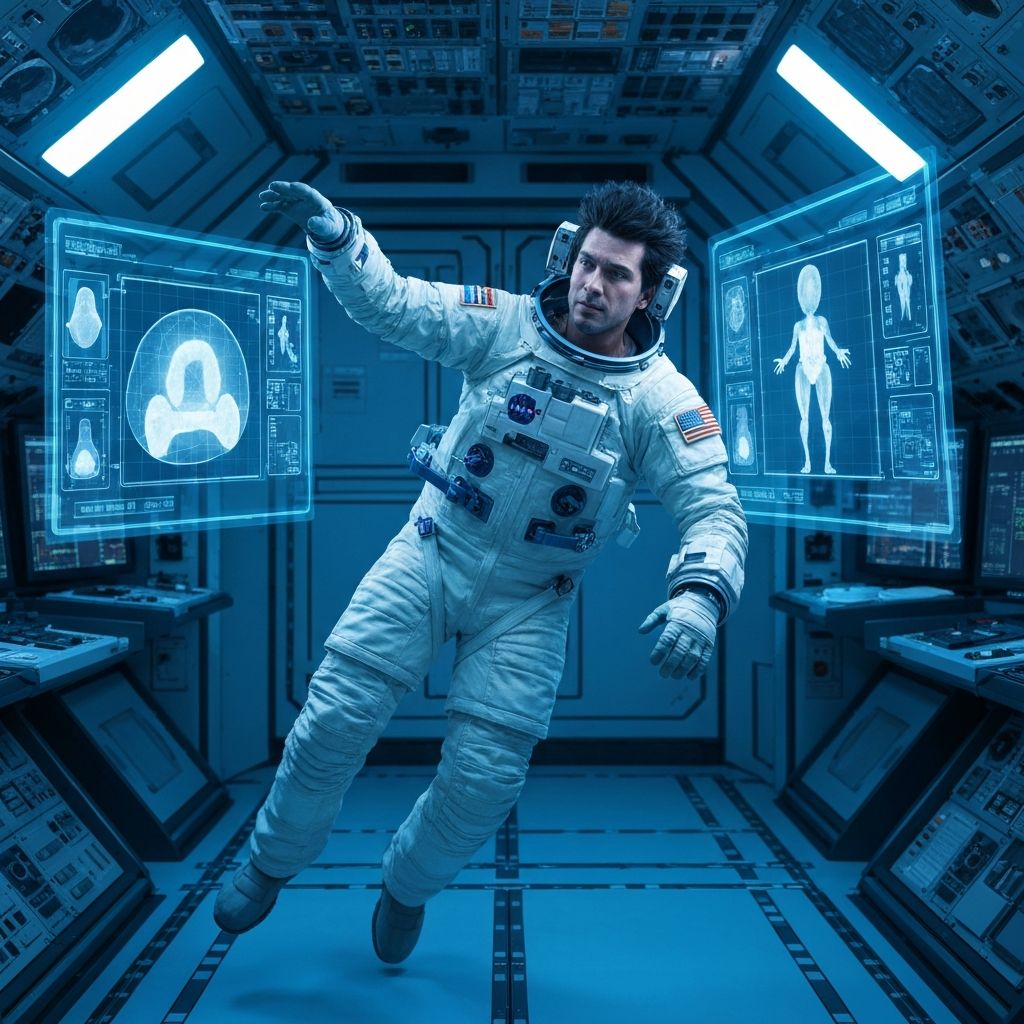
Skeletal System
Astronauts lose 1-2% of their bone density every month in space. That's equivalent to 10 years of aging on Earth happening in just one year.
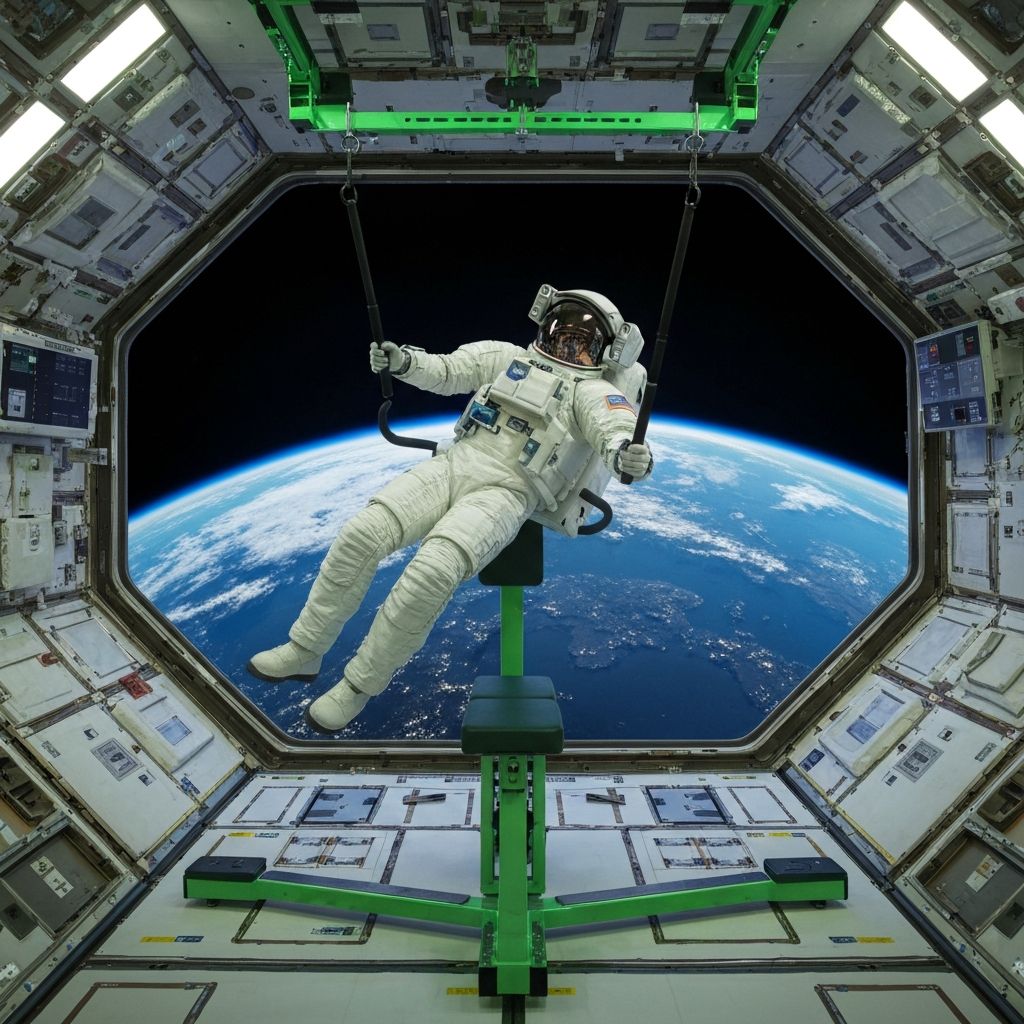
Muscular System
Without gravity to work against, muscles can lose up to 20% of their mass in just 11 days. Postural muscles are affected most.
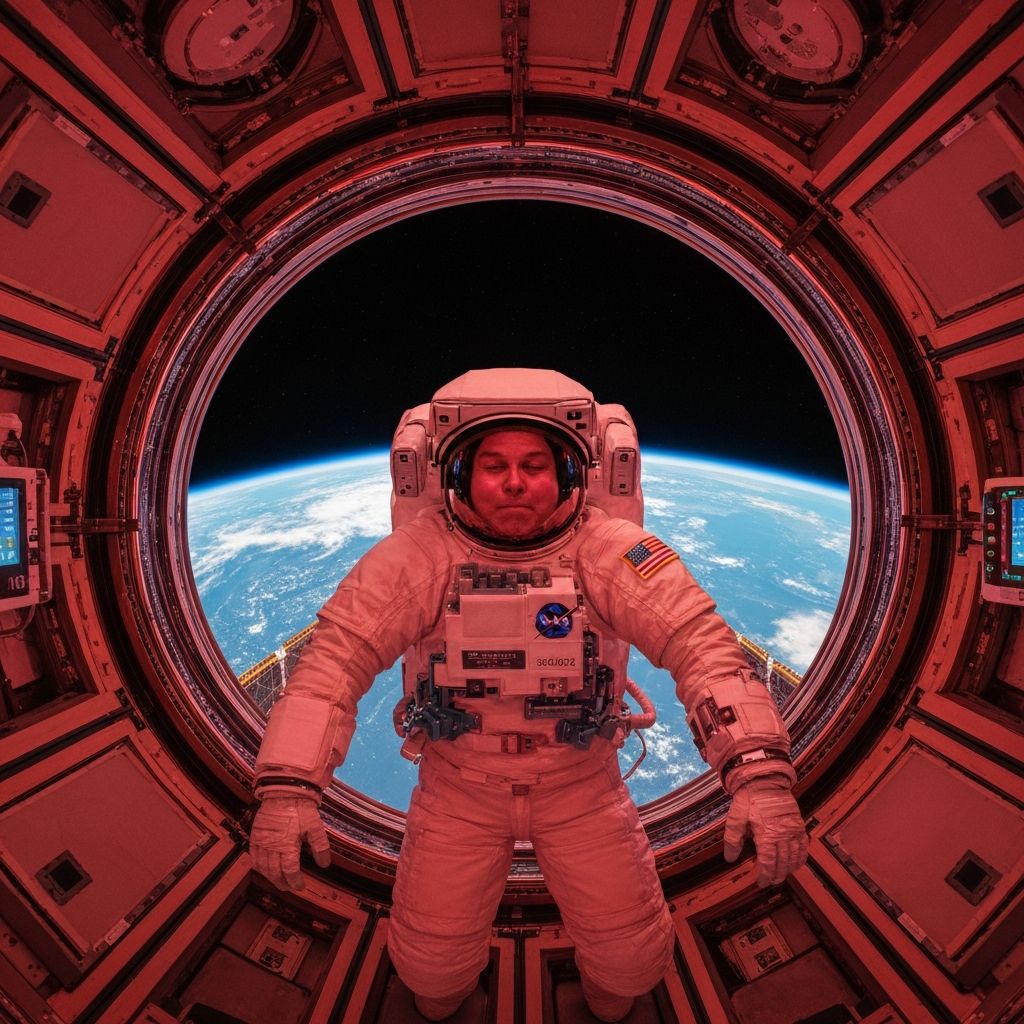
Cardiovascular & Blood
Without gravity, 2 liters of fluid shift from legs to head. Faces swell, legs thin out, and the body thinks it has too much blood - triggering dangerous adaptations.
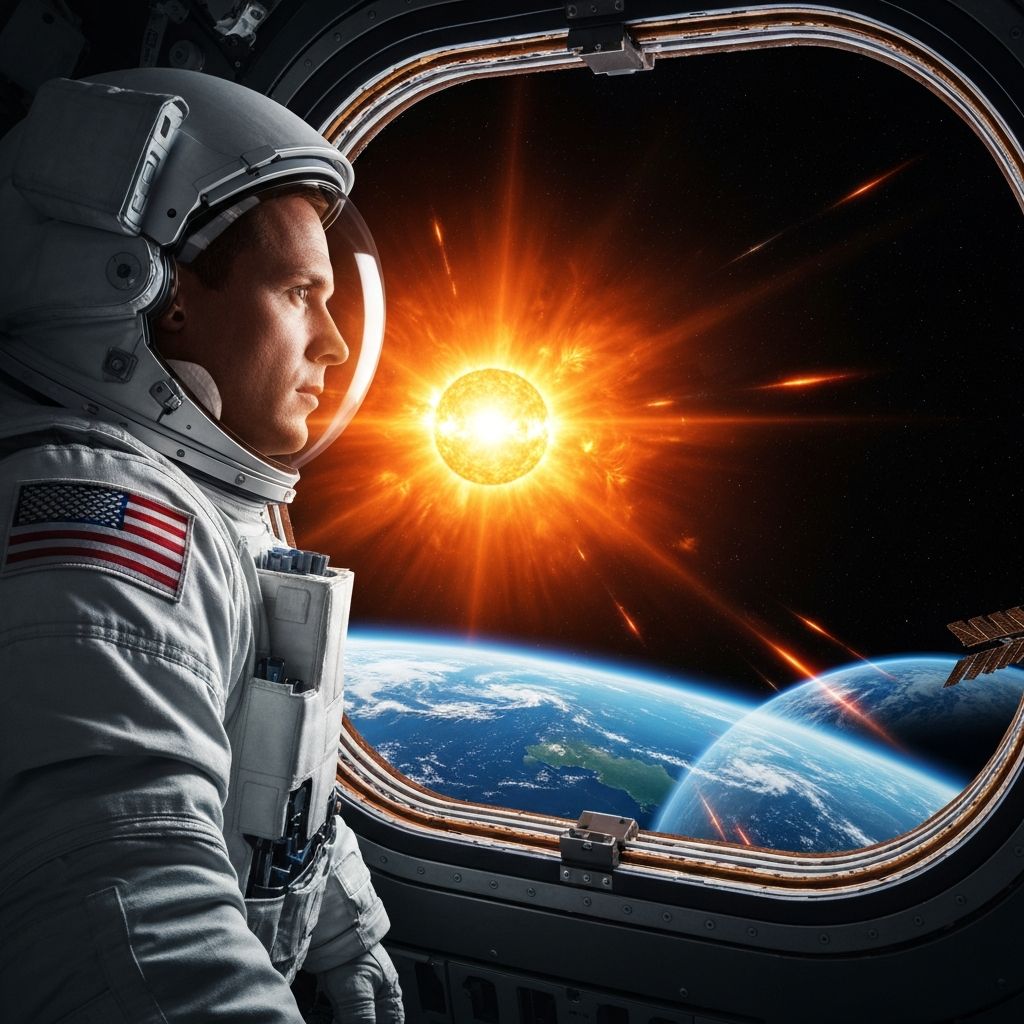
Radiation Effects
Astronauts on the ISS receive about 300 times more radiation than on Earth's surface. A Mars mission would expose crews to 0.7 sieverts - near NASA's career limit.
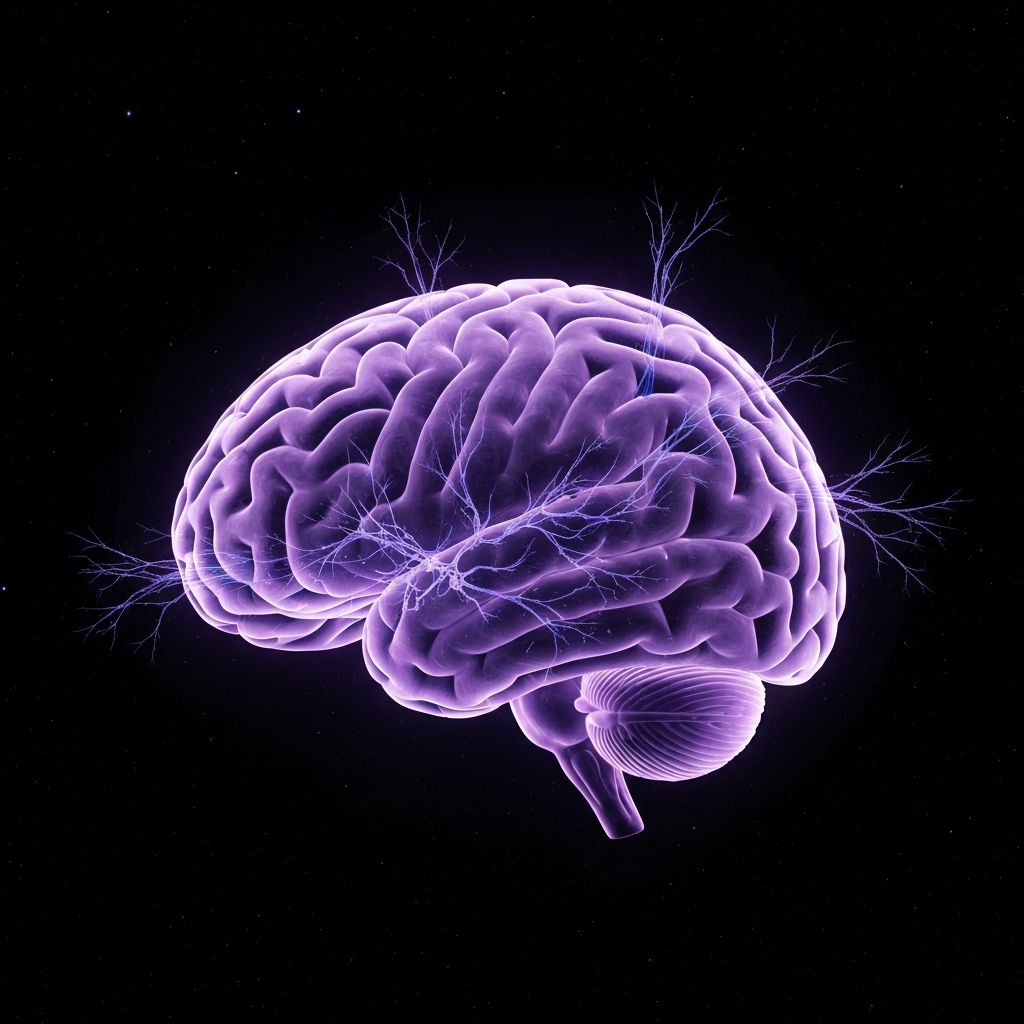
Neuro-Vestibular & Mental Health
60-80% of astronauts experience space motion sickness in the first 2-3 days. The inner ear's semicircular canals get confused without gravity's constant reference.
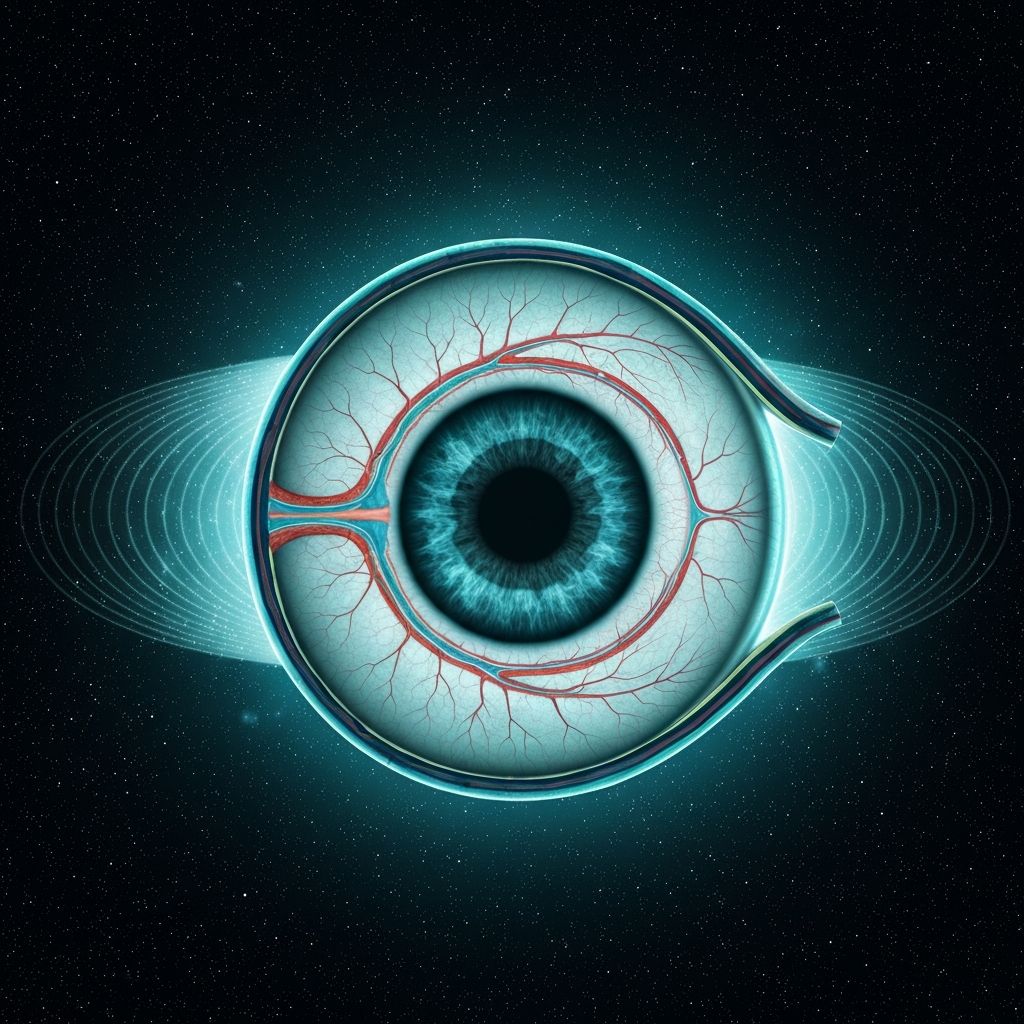
Vision & Eyes
Spaceflight Associated Neuro-ocular Syndrome affects over 70% of long-duration astronauts. It's now considered one of NASA's top risks for Mars missions.
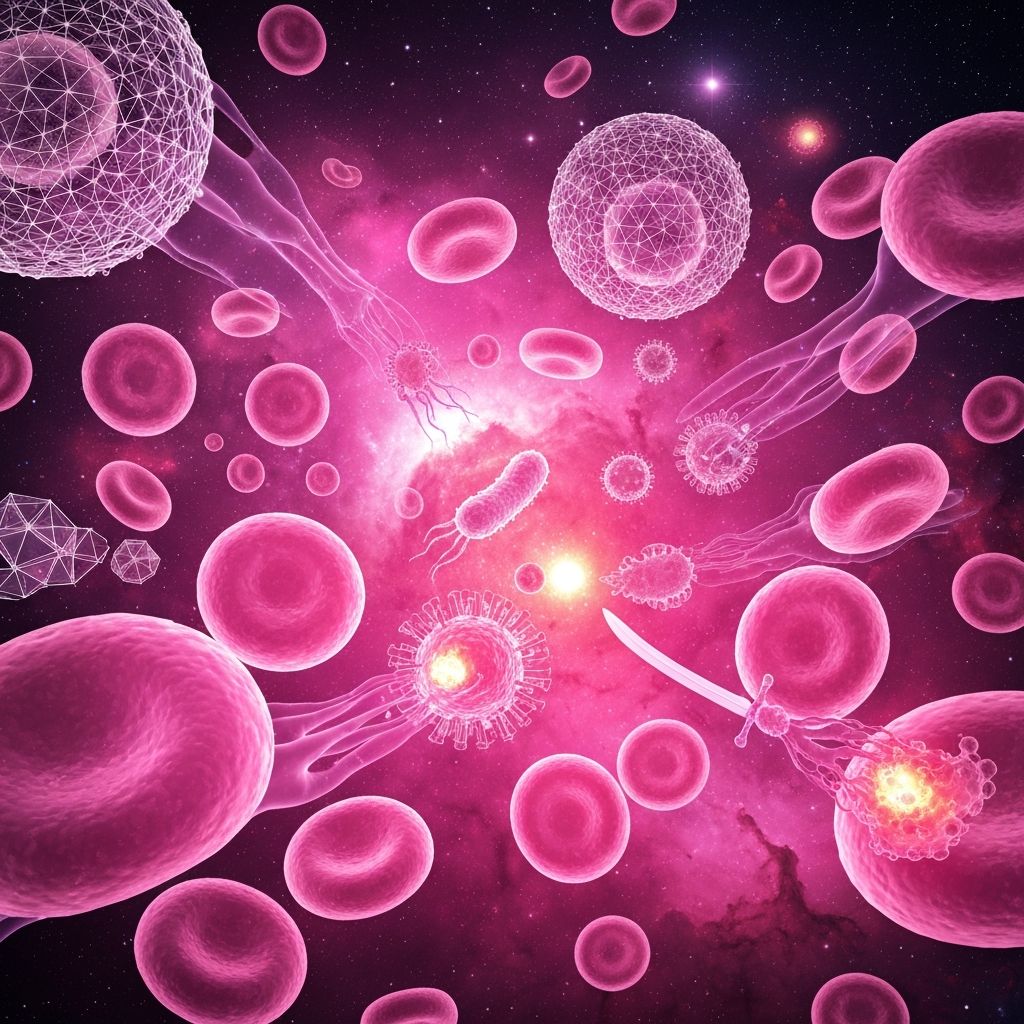
Immune System
T-cells become less effective at fighting threats, while inflammatory responses increase. The immune system is simultaneously suppressed AND overactive.
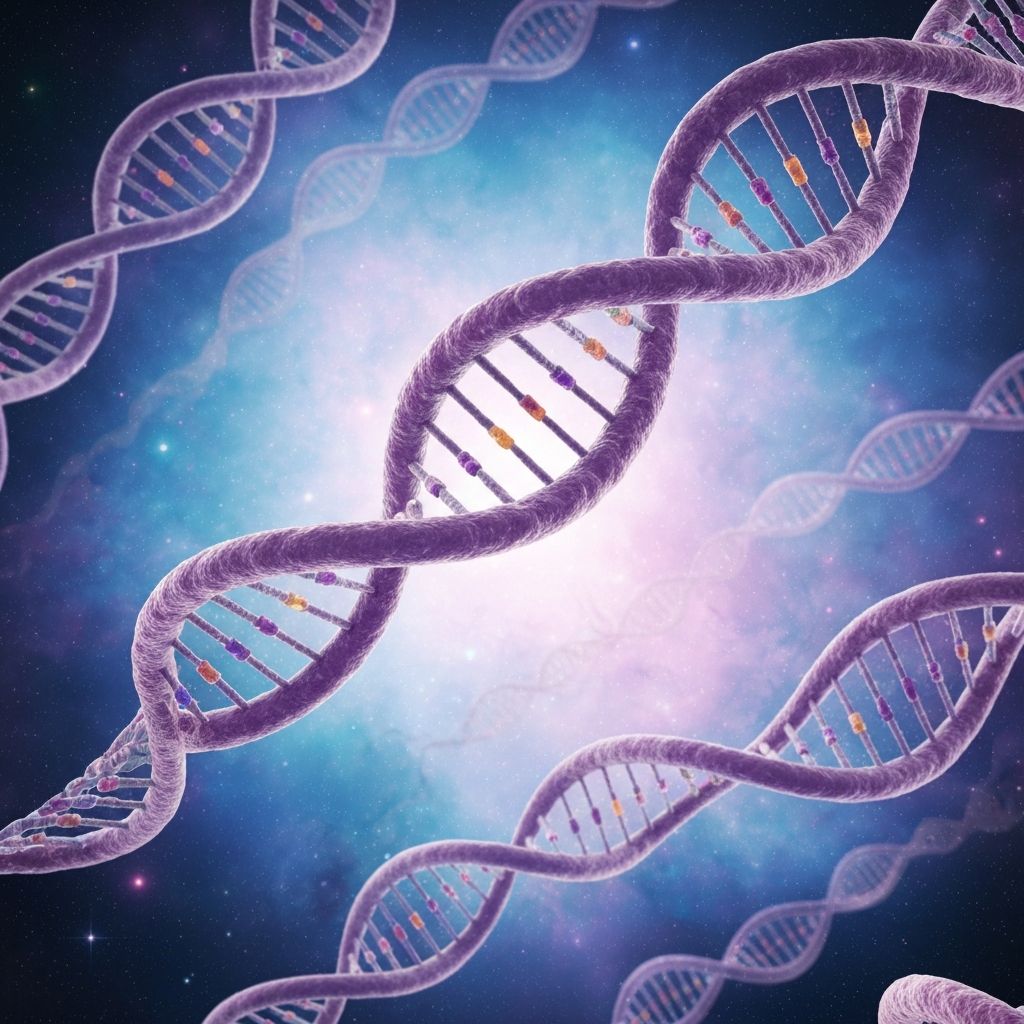
Genetic & Cellular
Scott Kelly spent a year in space while his twin Mark stayed on Earth. Over 7% of Scott's gene expression changed, with some alterations persisting years later.
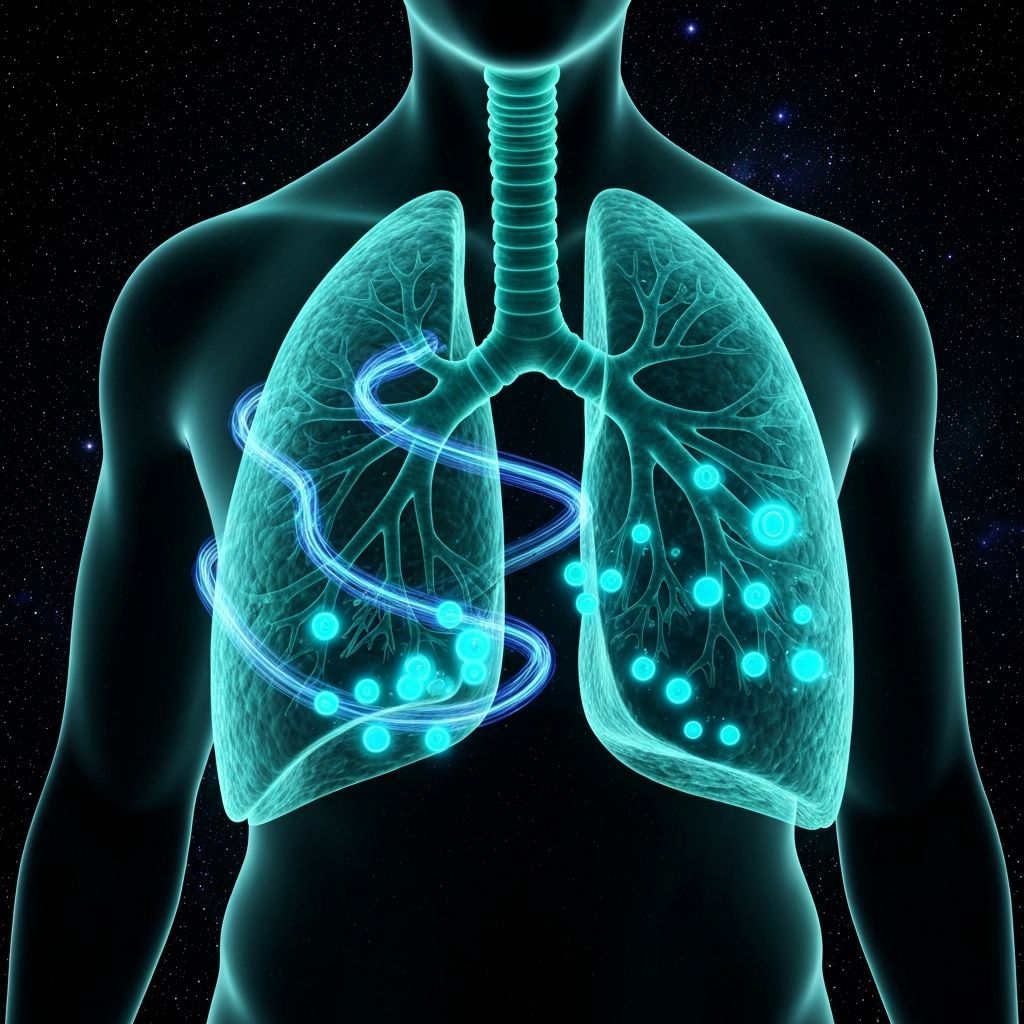
Respiratory System
Without gravity pulling blood downward, gas exchange becomes more uniform but less efficient. The lungs work differently when every direction is 'up'.
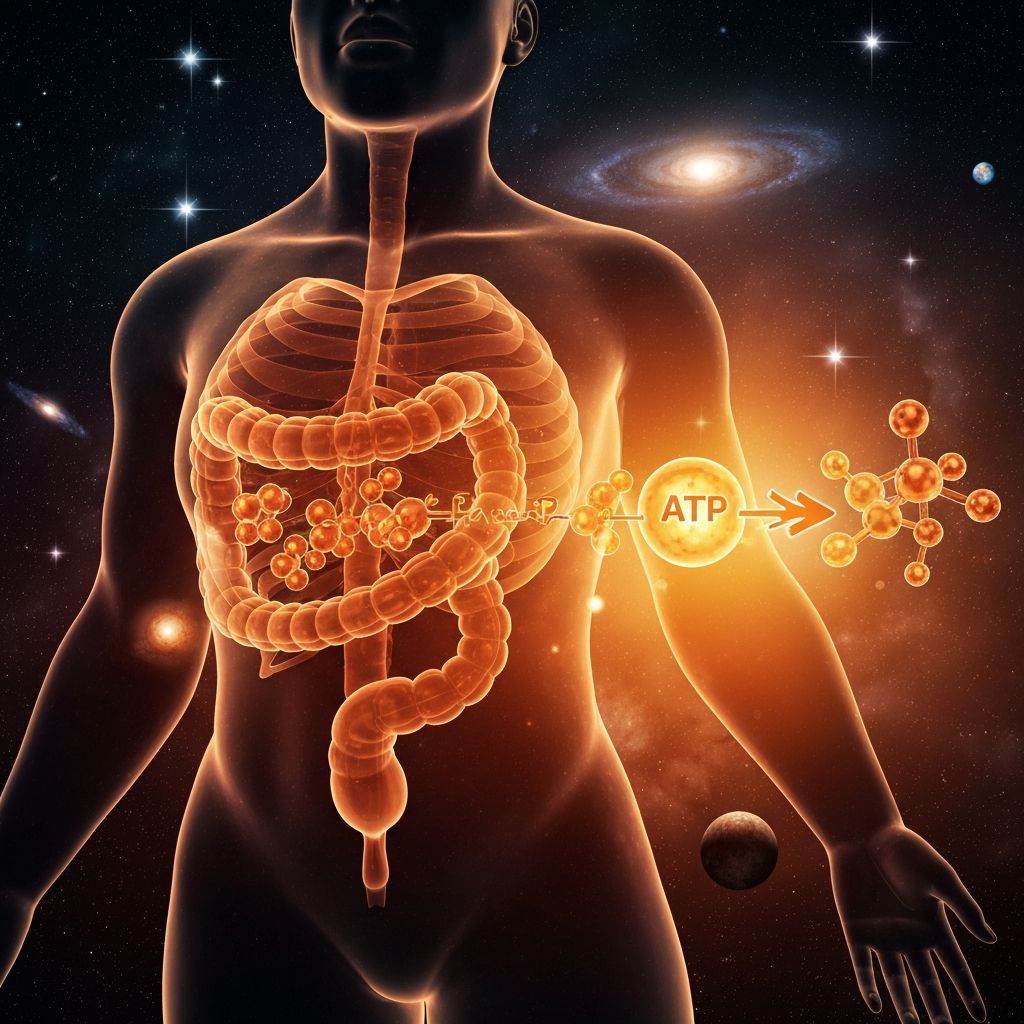
Metabolism & Nutrition
Head congestion dulls taste and smell dramatically. Astronauts drown everything in hot sauce and Sriracha. Some foods become completely unpalatable.
International Space Station
Humanity's outpost in low Earth orbit - drag to explore